Choosing a picture frame can feel harder than expected. With so many styles, colours, and materials to pick from, it’s easy to second-guess what will suit your photo, artwork, or keepsake. The right frame should support your piece, look good in your space, and stand the test of time.
This guide keeps things simple. You’ll learn how to match your frame to the item you’re displaying, how to pick materials that hold up well in Australian conditions, and how to choose colours and finishes that work in real homes.
These are the same tips our team uses every day in our workshop, so you can make confident choices and create a framed piece you’ll be proud to hang.
1. Start with the Purpose of the Frame
Before you choose a style, colour or material, think about what you’re framing (and why).
Are you preserving a family photo? Displaying a limited-edition print? Framing a jersey, certificate, or artwork for a client space? The purpose behind the frame should guide every decision that follows.
Different pieces have different needs:
- Personal photos usually suit classic, neutral frames that blend with home décor.
- Art prints might need a wider frame and protective glass to preserve quality.
- Memorabilia (like jerseys or awards) often call for deeper box-style frames and UV protection.
- Business or office pieces need a clean, professional look that supports branding.
This step helps narrow down the size, material, and protective finishes that will suit your piece. If you’re not sure where to start, we help clients clarify their goals during a free framing consult, whether they have a clear vision or just an idea.
2. Style the Frame to Complement the Subject
Once you know what you’re framing, the next step is to find a frame style that suits the look and feel of the piece itself. This is where you think visually, not just functionally.
A good frame should blend in quietly or draw subtle attention to the subject. It should never compete with what’s inside it.
Here’s how to think about it:
- Photos: Classic black, white, or timber frames are safe choices, but don’t rule out metallic or textured styles for wedding or heritage images.
- Artwork: If the piece is bold, abstract, or modern, a clean-lined frame with subtle contrast can sharpen the look. For traditional or detailed works, a wider moulding or decorative gold frame can add a gallery-style finish.
- Minimal pieces: Stick with slim profiles in black, white, or raw timber to keep the focus on the subject.
- Statement pieces: If the piece is visually soft, a more ornate or structured frame can lift it without overwhelming.
The goal is balance. A frame that’s too flashy can overwhelm. One that’s too plain might not do the piece justice. If you’re torn between two looks, we always recommend bringing the piece into your nearest framing consultant for an expert opinion or to bounce ideas off.
3. Consider the Room and Wall
A frame doesn’t just need to suit what’s inside it. It also needs to make sense in the space where it’s going. The colour of your walls, the amount of light in the room, and the surrounding furniture or decor all play a role.
Here are some things to consider:
- Wall size matters: Small frames can get lost on large, open walls. If the piece is small, consider matting or a thicker frame to give it more presence.
- Match or contrast: A frame can either blend with your room’s tones or stand out on purpose. For example, black frames work well against light walls. Timber frames can add warmth to cooler or neutral interiors.
- Natural light: If the room gets a lot of direct sunlight (especially on the Gold Coast), UV-protective glass or acrylic can help protect the piece from fading.
- Room style: Modern spaces usually pair best with simple frames, while traditional or vintage-inspired rooms can handle decorative mouldings or ornate finishes.
Think of the frame as part of the room’s visual story. If everything else in the space is clean and minimal, a heavy decorative frame might feel out of place. If the room has rich textures or layered decor, a plain frame might look unfinished.
Not sure what fits your space? Bring in a photo of the room and your framer can help match the right size, finish and style to suit.
4. Choose the Right Frame Material
Frame material plays a big role in how your piece looks, feels, and lasts. Some materials offer a clean, modern style, while others bring warmth or a traditional finish. The right choice depends on what you’re framing, where it will hang, and the style you want to achieve.
Here are some common options:
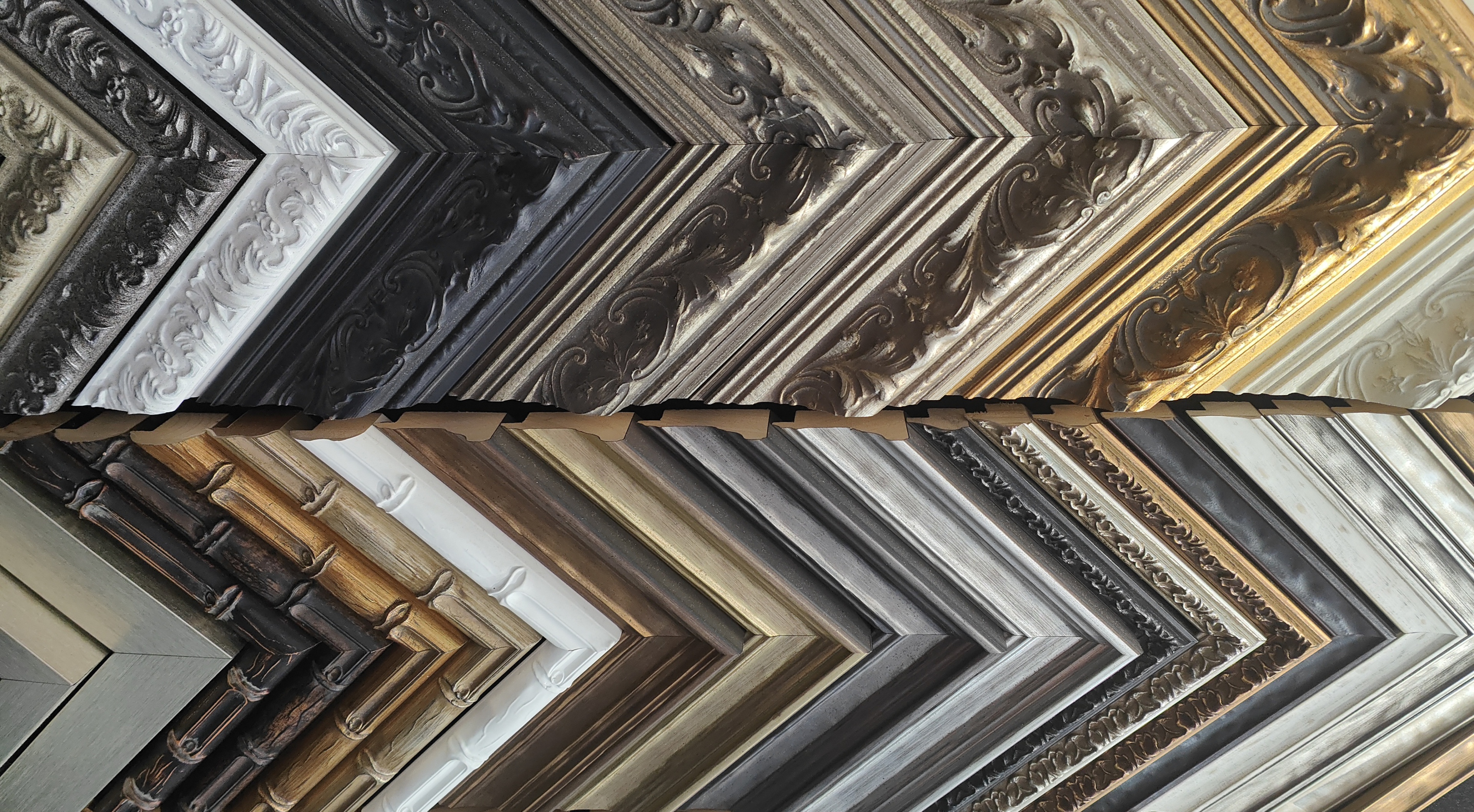
- Timber: The most widely used framing material. Available in painted, stained, or raw finishes, timber works well in both modern and classic interiors. It’s strong, durable, and comes in a wide range of colours and profiles.
- Decorative mouldings: These frames feature shaped or ornate edges, often in gold, bronze, or carved finishes. They’re ideal for traditional artwork, wedding photos, or statement pieces where the frame adds to the overall impact.
- Box or shadow frames: These deeper frames are used for 3D items like jerseys, medals, or stretched canvas. They create space between the artwork and the glass, giving a gallery-style effect while protecting the piece.
- Metal: Often slim and minimal in design, metal frames are lightweight and tend to suit modern or industrial-style spaces. They’re commonly used for posters, commercial prints, or black-and-white photography.
Want something frameless?
If you’re after a sleek, modern look, frameless display options like metal prints are also worth considering. These involve printing directly onto aluminium panels, creating a high-gloss, fade-resistant finish that’s ready to hang without a traditional frame. They work especially well for vibrant photos or commercial use, and they suit clean, contemporary spaces.
Each material has its strengths. Your choice should depend on what you’re framing, how much attention you want the frame to draw, and how the final piece will sit within your space.
5. How to Choose the Right Frame Colour
Frame colour has a big impact on how your photo or artwork is perceived. The right colour will draw attention to the piece without overpowering it. The wrong one can clash with both the image and the room.
There’s no single rule, but these guidelines have helped our clients over the years:
Start with the piece itself:
- Match tones, not exact colours. For example, if your photo has warm tones (reds, browns, golds), consider timber, gold, or bronze frames. Cool tones (blues, greys, greens) tend to suit black, white, or silver frames.
- Black and white images pair well with simple frames like black, white, or charcoal, which offer contrast without distraction.
- Busy or colourful prints often benefit from a neutral frame to ground the look.
Think about your space:
- If the frame is going on a white or light wall, black or dark frames can stand out and feel bold.
- Timber tones add warmth to neutral rooms and can soften the transition between art and space.
- Matching the frame to existing furniture or flooring can help tie the room together.
Don’t forget about matting:
A mat (the white or coloured border between the artwork and the frame) can help separate the image from the frame and give it more breathing room. This is especially useful when the artwork has strong colours or detailed edges.
When in doubt, choose simplicity. A clean black, white, or natural timber frame will suit almost anything and won’t date over time.
6. Framing Tips for Different Items
Different pieces call for different framing approaches. What works for a family photo won’t always suit a canvas, print, or jersey. Use this quick reference to help guide your decision:
| Item Type | Framing Tips |
| Family Photos | Stick with clean black, white, or timber frames. Add matting for a classic, timeless look. |
| Art Prints | Consider a wider frame or subtle contrast in colour. Use a neutral tone to support bold designs. |
| Canvas Artwork | Float frames give a polished gallery finish. If the edges are painted, you may not need a frame at all. |
| Jerseys or Keepsakes | Use a deep shadow box frame to preserve and protect the item. Ensure there’s space between the item and the glazing. |
| Certificates or Documents | Simple, slimline frames work well. Choose a neutral colour and consider matting to create structure. |
If your item doesn’t fit neatly into one of these categories, don’t worry, the most important thing is that the frame protects and enhances the piece, and suits your space. If you’re in doubt, you can always contact your nearest framing consultant for some advice.
7. Quick Checklist Before You Frame
Feeling unsure about your frame choice? Our expert checklist will help you make clearer, more confident decisions and avoid the common mistakes that can leave a piece looking mismatched or unfinished.
Use it as a final gut check before you buy:
☐ Have you thought about what the frame needs to do? Protect, highlight, or simply finish the piece?
☐ Does the style of the frame suit the subject and the story it tells?
☐ Have you picked a material that feels right for the room and will last over time?
☐ Does the colour of the frame work with both the piece and the space it’s going into?
☐ Would adding a mat help give the image breathing room or make it feel more complete?
☐ Is the size and scale of the frame right for the wall or layout you’re planning?
These are the same questions professional framers ask every day. Going through them now can save time, avoid regrets, and make sure your finished piece looks exactly how you imagined (or better).
Need Help Choosing the Right Frame?
If you’re still unsure about frame styles, colours or materials, that’s completely normal. Sometimes seeing the options in person, or talking it through with someone who does this every day, makes all the difference.
At GC Printing and Framing, we help people choose frames that work for their piece, their space, and their budget. Whether you have a clear idea or no idea at all, we’ll guide you through the options and help you land on something that feels right.
Visit our showroom today for a free consultation or give us a call on 0450 557 825 to get started. Our friendly team are always happy to put their design hats on!