

Have you ever wondered which printing method is best for your business needs? Whether you’re looking to create eye-catching marketing materials, professional business cards or stunning event banners, understanding the different printing methods can help you make an informed decision. In this blog, we’ll explore the most popular printing techniques, their benefits and how they can meet your specific requirements.
Digital printing is the most common and versatile printing method today. It uses digital files, such as PDFs, to print directly onto various media. This method is ideal for short runs and custom orders because it allows quick turnaround times and minimal setup costs. With digital printing, you can produce high-quality output with vibrant colours quickly and cost-effectively.
Advantages:
Applications:
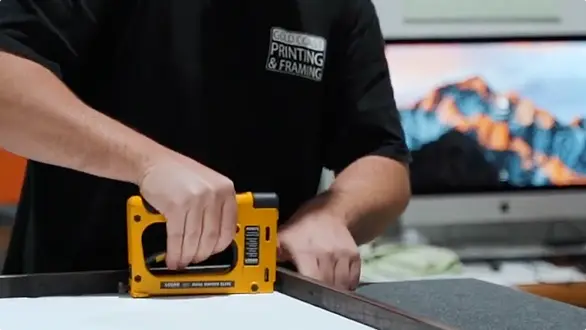
Offset printing, also known as lithography, is a traditional method where ink is transferred from a plate to a rubber blanket and then to the printing surface. This method is best suited for high-volume jobs due to its superior colour accuracy and cost-efficiency for large print runs. Offset printing offers consistently high image quality, making it a go-to for bulk printing needs.
Advantages:
Applications:
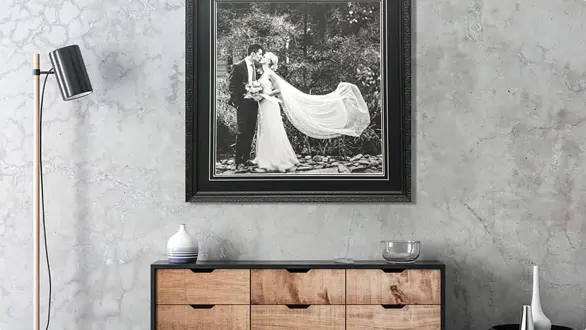
Screen printing involves creating a stencil (or screen) and using it to apply layers of ink on the printing surface. It’s particularly effective for printing on materials like fabric, ceramics, and wood. Screen printing is renowned for its durability and vibrancy of colours, making it perfect for products that require longevity.
Advantages:
Applications:
Flexography is a modern version of letterpress printing commonly used for packaging and labels. It uses flexible relief plates to print on various materials, including plastic, foil, acetate film, and paper. Flexography is known for its high-speed production capabilities and versatility, making it ideal for large-scale packaging projects.
Advantages:
Applications:
Gravure printing involves engraving the image onto a cylinder, which is then used to transfer ink onto the printing surface. This method produces high-quality images and is often used for long runs of high-quality prints. Gravure printing is especially suitable for tasks requiring detailed and consistent colour reproduction.
Advantages:
Applications:
3D printing or additive manufacturing, is a revolutionary method that creates three-dimensional objects layer by layer from digital files. It’s used across various industries for prototyping and manufacturing custom parts. 3D printing allows for the creation of complex designs and customisation, significantly reducing waste in the production process.
Advantages:
Applications:
Understanding the different printing methods helps you choose the best one for your needs, whether for personal projects or business requirements. At Gold Coast Printing & Framing, we pride ourselves on offering a wide range of high-quality printing services, including digital printing, fine art printing and more. With our expertise and advanced technology, we ensure your prints look stunning and meet your exact specifications. If you’re looking for reliable and top-notch printing services, contact Gold Coast Printing & Framing for unparalleled quality and service.

Have you ever found yourself staring at a blank wall, wondering how to display your cherished artwork or treasured memories best? The perfect frame can make all the difference in highlighting the beauty and significance of your pieces. But with so many options available, how do you decide between ready-made frames and custom frames? Let’s explore the key considerations to help you make the best choice for your framing needs.
Framing is more than just a decorative touch; it’s a crucial element that protects and enhances your artwork, photos and memorabilia.
A well-chosen frame can elevate a piece, drawing the viewer’s eye and complementing the content within.
Conversely, a poor framing choice can detract from the artwork’s beauty and even cause damage over time. Given this, choosing the right type of frame is essential.
Ready-made frames are a popular choice for many due to their convenience and affordability. Available in various standard sizes and designs, they are perfect for those who need a quick and easy framing solution. Here are some key advantages of ready-made frames:
However, ready-made frames have their limitations. They may not fit all artwork sizes perfectly and often lack the personalised touch that custom frames offer.
Custom frames are crafted to your specific requirements, ensuring a perfect fit for your artwork or memorabilia. While they may be more expensive and take longer to produce, the benefits often outweigh these considerations. Here’s why custom frames stand out:
Despite the higher cost and longer wait times, custom frames offer a level of detail and personalisation that ready-made frames cannot match.
When deciding between ready-made and custom frames, consider the following factors:

Consider placing a mat board around the puzzle within the frame. This adds a decorative touch and serves to emphasise the puzzle as the focal point of the artwork. Select a mat colour that complements the tones in the puzzle to enhance its overall appearance, thereby elevating the aesthetic value of your framed puzzle. This final touch can help integrate your framed puzzle into your decor, making it a seamless part of your room’s aesthetic while highlighting your personal style.
Custom frames ensure a perfect fit and personalised design that enhances the beauty and longevity of your artwork and memorabilia. At Gold Coast Printing & Framing, we specialise in bespoke wooden frames that perfectly match your unique needs. If you’re seeking a picture framer on the Gold Coast, our expert team is here to help. We offer high-quality Gold Coast framing services tailored to your preferences. For those looking for unique and custom picture framing on the Gold Coast, contact us today to explore our premium custom framing solutions.

Have you ever completed a jigsaw puzzle and felt that sense of accomplishment, only to wonder, “What next?” Rather than packing away your masterpiece, why not showcase it? Framing a completed puzzle preserves your hard work and transforms it into a personalised piece of art. This guide will walk you through the steps to frame a puzzle effectively, ensuring that your achievement continues to bring joy and enhance your decor.
Select the right frame as the first step in framing your puzzle. Consider the size of your puzzle and the style of the room where you will display the artwork. A frame that complements the puzzle and matches the decor of your room enhances the visual appeal of your space. Choose a frame that fits tightly around your puzzle; this prevents the pieces from shifting and keeps the puzzle flat against the backing, thus ensuring the artwork looks its best.
You must secure the puzzle before framing it. Use puzzle glue or a backing material for this purpose. Spread a thin layer of puzzle glue over the surface, making sure it penetrates the cracks between the pieces. Alternatively, place the puzzle on a backing board cut to the exact size of the puzzle. Then, secure the board with adhesive to hold the puzzle pieces firmly in place, preserving the integrity of your artwork.
Choosing the right glass is essential to protect your puzzle from dust, moisture and fading. Opt for UV-resistant glass to shield the colours of the puzzle from sunlight. Non-reflective glass is also a wise choice if you plan to hang the puzzle in a well-lit area; it reduces glare and allows the details of the puzzle to be prominently displayed. Additionally, choosing a high-quality glass can ensure that your puzzle maintains its vibrant appearance over time, free from the effects of external elements.
After securing the puzzle and selecting the glass, it’s time to mount it in the frame. Check that all components fit snugly. Use the mounting kit that comes with your frame to secure the back panel. Attach a durable hanging wire or hook on the back of the frame, ensuring it is robust enough to support the weight of your framed puzzle, thus guaranteeing safety and stability once hung. It’s also wise to consider the placement of your framed puzzle; ensure it’s hung at eye level and away from direct sunlight to avoid any potential fading.
Consider placing a mat board around the puzzle within the frame. This adds a decorative touch and serves to emphasise the puzzle as the focal point of the artwork. Select a mat colour that complements the tones in the puzzle to enhance its overall appearance, thereby elevating the aesthetic value of your framed puzzle. This final touch can help integrate your framed puzzle into your decor, making it a seamless part of your room’s aesthetic while highlighting your personal style.
If you’re thinking about framing your puzzle or other art pieces, consulting a framing company can help you find the best custom solutions to protect and showcase your artwork. Also, check the company’s warranty and guarantee policies to see how they commit to quality and customer satisfaction.
At Gold Coast Printing & Framing, we understand that each piece of art carries personal significance, whether it’s a family photo, a valuable painting or a jigsaw puzzle. That’s why we offer customised picture framing on the Gold Coast that respects and highlights the unique characteristics of each piece while being protected against time and the elements. If you’re looking for picture framing to beautify your home or office, don’t hesitate to contact us today.
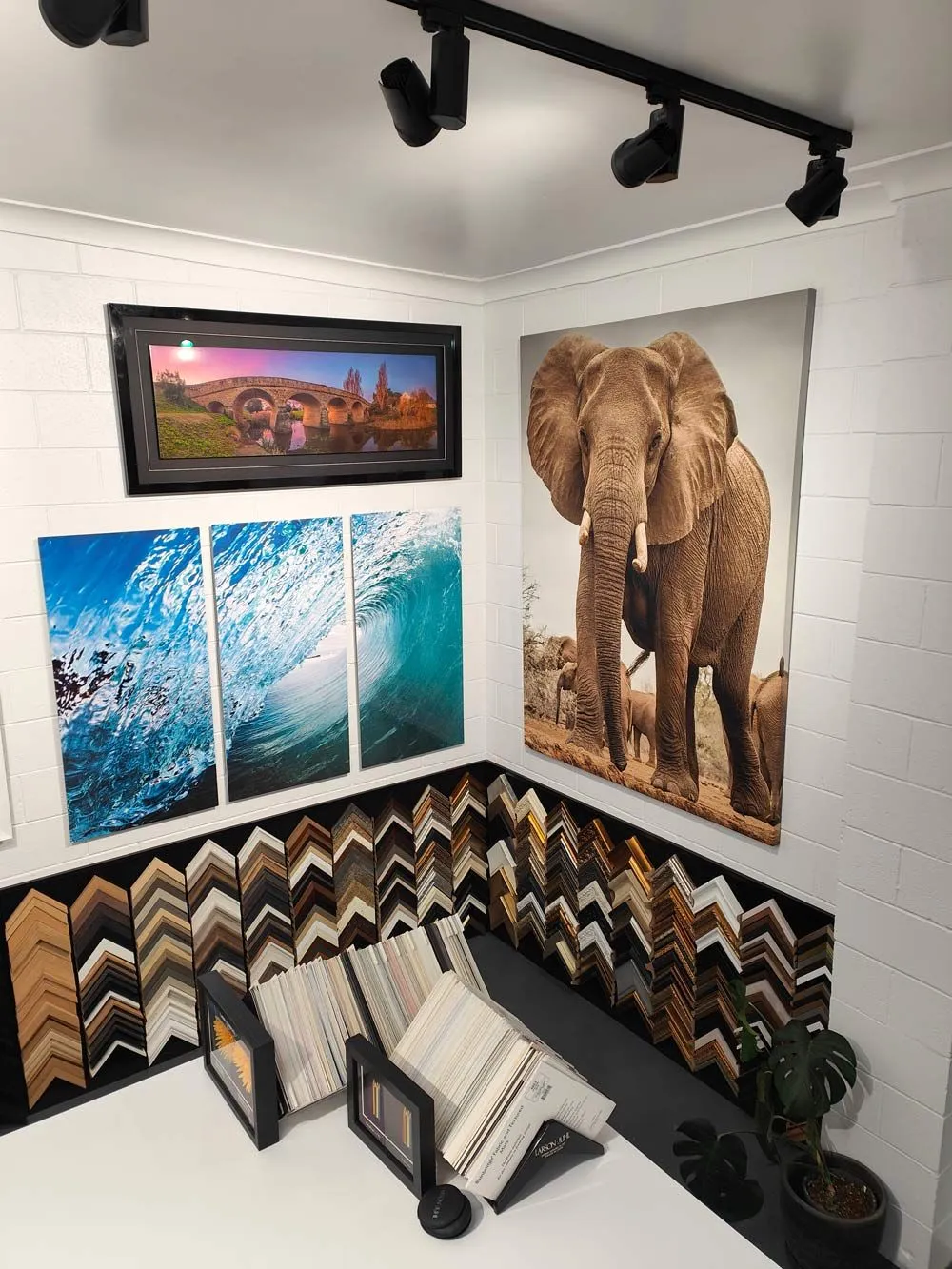
Walking into a home adorned with beautifully framed art prints instantly creates an inviting and sophisticated atmosphere. The vibrant hues and intricate details of each print draw the eye, sparking curiosity and admiration from every visitor. Art prints are expressions of personal taste and creativity. However, maintaining their pristine condition requires careful handling and thoughtful care. Whether you’ve recently started your collection or have been curating pieces for years, understanding how to protect and preserve your art prints is essential. In this blog, we’ll explore the best practices for handling and caring for your art prints.
Handling art prints with care is crucial to prevent damage. Here are some tips to keep in mind:
Framing your art prints effectively enhances their appearance and preserves them for years to come. Here are the best ways to frame your art prints:
Storing art prints properly is just as important as framing them. Here are some top tips to ensure your prints remain in good condition while in storage:
Framing your art prints effectively enhances their appearance and preserves them for years to come. Here are the best ways to frame your art prints:
Storing art prints properly is just as important as framing them. Here are some top tips to ensure your prints remain in good condition while in storage:
At Gold Coast Printing & Framing, we understand the value of your art prints and are dedicated to helping you care for them properly. We offer professional framing and printing on the Gold Coast to provide aesthetic enhancement and essential protection for your prints. Get in touch with us for more information or visit our print shop on the Gold Coast. Let us help you preserve your cherished art prints!
Speak with our expert team to explore your custom printing and framing options—no obligation, just honest advice.